Presidents Challenge 2026
See the Invisible.Move Sooner.Recover Better.
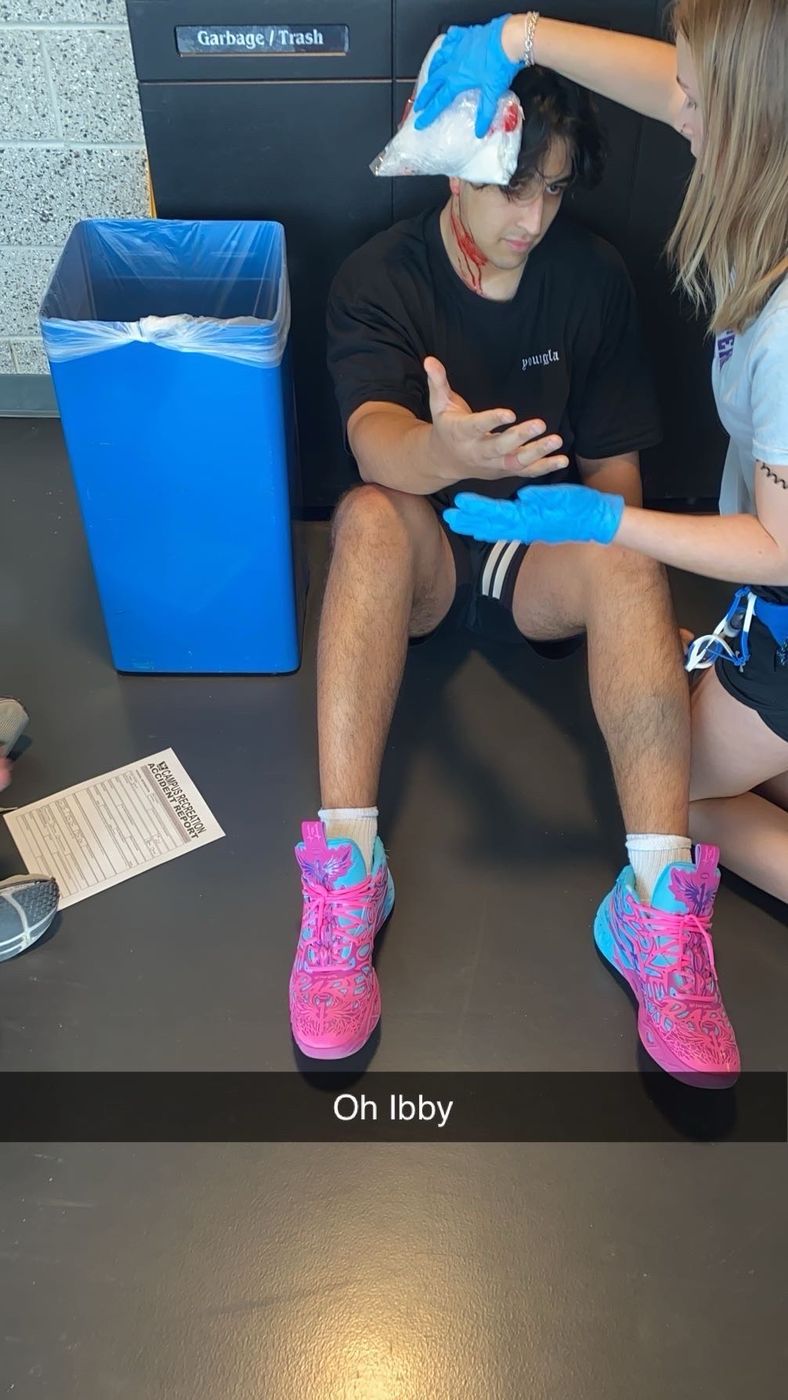
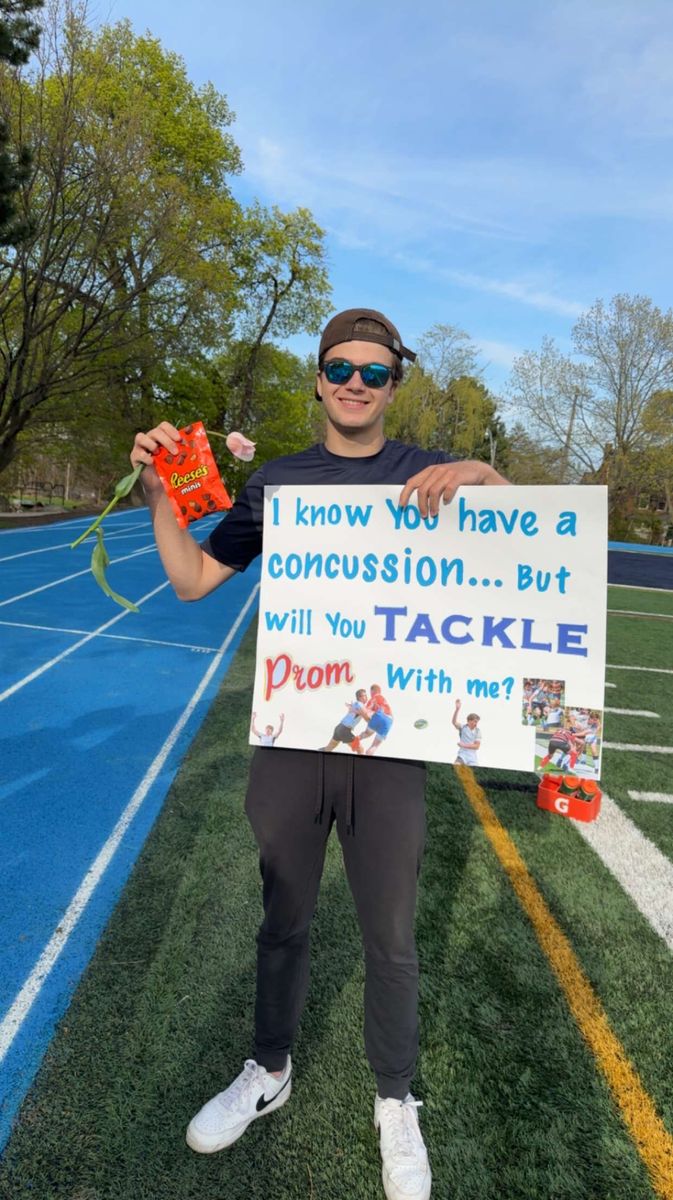
Three concussions. Three stories. One shared frustration: a system built to treat visible injuries can't answer the questions it cannot see.
CONQ is a real-time neurological optimization system.
Built to make invisible strain measurable — and recovery precise.
0+
Canadians suffer concussions every year.
Yet the recovery system has no objective, continuous way to see what the brain is experiencing.
You can't treat what you can't see.
Concussion symptoms are real, but invisible, intermittent, and deeply subjective. No scan catches them. No questionnaire tracks them between visits.
Symptoms that no scan can see
What clinicians get
Snapshots
A handful of clinic visits spread across weeks. Between appointments, nothing is measured.
What recovery demands
A live stream
Continuous biometric data (pupil response, eye tracking, heart-rate variability) captured in the real moments that matter.
The impossible choice
Return too early
Second-impact syndrome. Prolonged symptoms. Long-term damage.
Stay out too long
Anxiety, depression, physical decline. Inactivity worsens recovery.
Without objective data, who's making the call?
What if you could see the invisible?
Smart Glasses That See What Doctors Can't
CONQ is a pair of smart glasses equipped with dual infrared eye-tracking cameras, an IMU, and a PPG sensor, capturing five trackable markers continuously, outside the clinic.
The information glasses provide becomes actionable through three clear outputs: Cognitive Load Score, Autonomic Stability Index, and Stress Reactivity Profile. Not to diagnose. Not to replace doctors. But to give individuals and clinicians a measurable, daily window into cognitive strain and recovery.
Five sensors. One frame.
Dual IR eye-tracking cameras, inertial measurement, and photoplethysmography, all packaged in frames indistinguishable from everyday glasses.
Pupil Response Dynamics
Tracks pupillary light reflex speed and consistency.
Concussed individuals exhibit delayed or irregular constriction patterns, revealing autonomic nervous system disruption. CONQ measures constriction latency, velocity, and amplitude to detect sub-clinical changes invisible to standard examination.
Light Reflex Constriction
Eye Movement Stability
Monitors smooth pursuit and saccadic movement precision.
Post-concussion instability manifests as jerky tracking or reduced coordination between eye movements. CONQ captures positional accuracy during controlled tracking tasks, quantifying deviation from ideal smooth pursuit paths.
Smooth Pursuit Tracking
Blink Variability
Analyzes blink frequency and duration patterns.
Neurological stress alters baseline blink mechanics, providing early indication of cognitive strain. CONQ tracks inter-blink intervals and blink duration to detect irregular temporal patterns correlated with neurological disruption.
Blink Interval Pattern
Head Motion Variability
Measures micro-movements during stationary tasks.
Increased head motion correlates with vestibular dysfunction and balance impairment. CONQ uses inertial sensors to quantify postural sway amplitude and frequency, detecting sub-threshold instability during focused activities.
Postural Sway Amplitude
Heart Rate Variability
Evaluates autonomic regulation through beat-to-beat intervals.
Reduced HRV indicates compromised parasympathetic function, a hallmark of concussion recovery challenges. CONQ analyzes time-domain and frequency-domain HRV metrics to assess nervous system recovery status continuously.
R-R Interval Variability
Tap a marker to explore its measurement methodology
Metrics That Guide Daily Decisions
Cognitive Load Score
Composite 0-100 rating synthesizing all biometric inputs into a single readiness indicator.
Autonomic Stability Index
HRV and pupil response integration measuring nervous system regulation.
Stress Reactivity Profile
Quantifies physiological response to controlled stimuli during baseline testing.
From Raw Data to Daily Direction
As biometric data streams from the glasses, it lives here. Each day, users receive a clear snapshot of their cognitive load and autonomic stability. Over time, trends form, and even without the glasses, users engage with the app to build awareness and prioritize brain health.
Future Feature: Scan QR to try
Tap to rate each symptom 0-5
Graduated return-to-play progression
Light activity only
Walking, stationary bike
Skating drills, no contact
Full practice, no hitting
Cleared for game play
Continue sport-specific drills at moderate intensity. Biometric indicators suggest readiness for Phase 4 within 2-3 days if current trajectory holds.
Metrics That Guide Daily Decisions
Day-to-Day with CONQ
Not recovering from an injury? CONQ still works for you. Beyond concussion monitoring, CONQ helps anyone understand and actively manage their daily neurological load.
Improve focus during work or study
Detect stress before it affects performance
Optimize mental clarity before high-stakes moments
Understand how sleep, travel, and workload impact your brain
Adjust your day based on real cognitive readiness
Build long-term neurological resilience
Prevent burnout before it happens
Make smarter decisions with objective insight
CONQ Flow
CONQ Flow is a side product built for everyday consumers who want steadier focus, stress awareness, and better day-to-day cognitive routines. Positioned separately from the core CONQ glasses system, Flow is designed for regular life — workdays, studying, travel, and high-pressure moments. It helps users notice patterns earlier and adjust behavior before overload builds, supporting long-term brain wellness through practical daily guidance.
Built for daily life. Not just recovery.
Stress, focus, clarity, and cognitive readiness — tracked continuously so your daily decisions are informed by something real.
Three forces. One window.
This moment isn’t an accident. The science, the technology, and the legislation have converged, creating an opportunity thatdidn’t exist even two years ago.
The Science
Amsterdam Consensus 2023
Defined the clinical need for continuous, objective neurological monitoring, shifting the standard from 'lights off and rest' to evidence-based active recovery.
The Technology
Portable Sensing at Scale
Miniaturized eye-tracking, inertial measurement, and PPG sensors now capture multi-modal neurological signals continuously, in everyday environments, affordably.
The Legislation
Rowan’s Law
Ontario’s concussion safety legislation mandates protocols for amateur sport. The regulatory pressure is real, and no consumer product currently meets it.
AI has lowered the barrier. What once required institutional infrastructure can now be built by focused technical teams.
That moment is now.
Nobody Sits Where CONQ Sits
Clinical tools like the NPI 200 and EyeGUIDE improve assessment, but only inside controlled settings. Wellness platforms like WHOOP and Oura have shifted health tracking toward physiological awareness, but measure broad recovery signals, not brain-specific strain. CONQ is continuous, multi-modal neurological monitoring, validated against Amsterdam Consensus 2023 return-to-activity protocols, available outside the clinic at a consumer price point. That is the gap.
After injury, athletes are told to 'monitor symptoms' and 'ease back gradually.' But there's no continuous signal guiding those decisions.
Clinical systems stay in the clinic. Wellness wearables track general recovery — not the brain.
We built CONQ to live in the space between — delivering real-time neurological intelligence in the moments that actually matter.
| Solution | Access Point | Application Timing | Primary Use Case | Concussion-Specific | Continuous | Consumer |
|---|---|---|---|---|---|---|
 CONQUs | ||||||
NPI 200 | ||||||
EyeGuide | ||||||
 Oura | ||||||
 WHOOP |
The moat
Three barriers. All required. Built simultaneously.
Hardware
Multi-sensor fusion across eye tracking, IMU, and PPG. Genuinely difficult to miniaturize.
Protocol
Clinical expertise to make raw biometric data medically meaningful and actionable.
Trust
Credibility with the sports medicine community to drive institutional adoption.
That combination is why this hasn’t been built yet. and why we are building it now.
Rowan's Law is creating regulatory demand that no consumer product currently meets.
A Multi-Billion Dollar Opportunity
The global concussion management market sits at $6.58 billion today. Canada'sserviceable market: $222 million. Sports wearables are projected to exceed $61 billion by 2031. And Rowan's Law is creating regulatory demand that no consumer product currently meets, making the need immediate and the timing urgent.
Total Addressable Market
Global Concussion Market
$0
Encompassing diagnostic devices, monitoring solutions, and therapeutic interventions worldwide.
Canadian Serviceable Market
$0
Focusing on accessible monitoring technologies for contact sport athletes and high-risk populations in Canada.
Initial Target Market
$0
OHL pilot deployment targeting 20 teams with institutional pricing model, expanding to regional hockey associations.
Market Growth Projections
Concussion Market by 2031
$10.55B
8.2% CAGR
Sports Wearables by 2031
$61.0B
11.3% CAGR

Hockey hits hardest.
That's why we start here.
5.05 concussions per 100 player-games. Concentrated teams. Institutional buyers. The OHL is the proving ground.



Start Small. Solve Well. Scale Intentionally.
Many ventures in this space fail because they start too broad, overengineer early, and build products too expensive for consumers. We do the opposite.
CONQ will begin with a concentrated pilot starting with select OHL teams such as the Windsor Spitfires, London Knights, and Oshawa Generals allowing us to validate the system in a real-world setting, refine our protocols, and build clinical and organizational trust before expanding into broader athletic and consumer markets.
Concussions per 100 Player-Games
OHL Incidence Rate
OHL Season Launch
2026-27 Target
Initial OHL Deployment
League-Wide Coverage
Phased Expansion Timeline
OHL Institutional Pilot
2026-27 SeasonHockey carries one of the highest concussion incidence rates in Canadian sport at 5.05 per 100 player-games. Teams function as concentrated buyers, cutting acquisition costs and enabling structured validation.
Windsor SpitfiresLondon KnightsOshawa GeneralsKey Milestones
- 3D-printed frames with off-the-shelf components, assembled in-house for pilot validation
- Pre-season baseline collection across participating teams
- Full-season longitudinal data capture with 500+ athletes
- Clinical validation study with institutional research partner
Target Metrics
League & Institutional Scale
2027-28 SeasonLeague-level validation builds institutional credibility. From there, we expand into CHL, NHL, U Sports, and beyond, partnering with organized leagues, institutions, and performance programs.
Key Milestones
- Scale across full OHL and into CHL partner leagues
- Institutional licensing to performance programs and clinics
- Athletic therapist referral networks for clinical distribution
- Refine sensor modeling and software through real-world data
Target Metrics
Consumer & Multi-Sport
2028+Direct-to-consumer expansion supported by digital performance marketing and athletic therapist referral networks. What begins as a focused concussion solution becomes a scalable cognitive health tool.
Key Milestones
- Direct-to-consumer launch modeled around $599 retail with a 50-63% gross margin band
- Subscription-based ongoing monitoring modeled at $9.99-$14.99/mo
- Multi-sport expansion: football, rugby, lacrosse
- Community platform bridging recovery and peak performance
Target Metrics
Benchmarks First. Assumptions Explicit.
All figures below use public benchmarks from comparable consumer wearables, hardware teardowns, and DTC ecommerce data. Internal CONQ numbers are clearly labeled as assumptions. No fabricated internal metrics.
B2C Model
Direct-to-consumer — athletes and everyday users purchasing hardware and subscribing for continuous monitoring.
Modeled Retail Price
$599
Assumption
Hardware Gross Margin
50–63%
Benchmark-derived
Subscription (post-onboard)
$9.99–14.99/mo
Assumption
DTC CAC Planning Range
$90–150
Conservative
Benchmark Sources
B2B Model
Institutional — team or league licensing covering hardware deployment, software access, and clinical support for a full season.
Pilot Contract / Team-Season
$12K–20K
Assumption (~25–30 athletes)
Per Athlete / Year
$400–800
Assumption
Blended Gross Margin
45–60%
At scale
Hardware COGS Baseline
$220–300
Low-volume estimate
Shared Hardware Assumption
COGS modeled at $220–$300 landed per unit — reflecting low-volume manufacturing and multi-sensor integration.
Anchored to Ray-Ban Meta ($135 at $299 retail) and Apple Vision Pro ($1,542 at $3,499 retail) component-cost benchmarks.
Many ventures in this space fail because they start too broad, overengineer early, and build products too expensive for everyday consumers. We do the opposite.
Built by People Who Lived the Problem
We combine multi-sensor hardware integration, AI modeling, and concussion-specific protocol knowledge. That alignment allows us to move from concept to validated system, because we're not just building a product, we're solving something we each experienced firsthand.
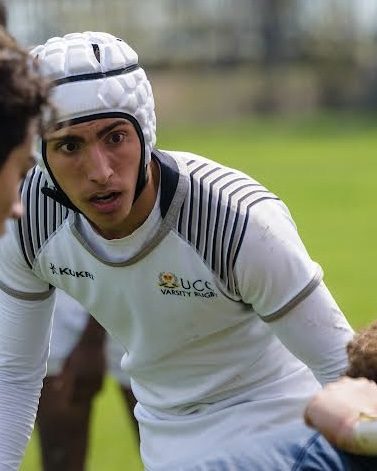
Ethan
ML / AI Technical Lead
Deep experience in machine learning and AI modeling, with internship experience in financial technology and a formal background in data science. Leads the development of CONQ's proprietary biometric algorithms and multi-sensor fusion pipeline.

Ibby
Operations & Growth
Experience inside a glasses-based wearable startup focused on enterprise applications. Has also led the design and development of an AI-driven platform integrating behavioral modeling and statistical systems into a live product environment.
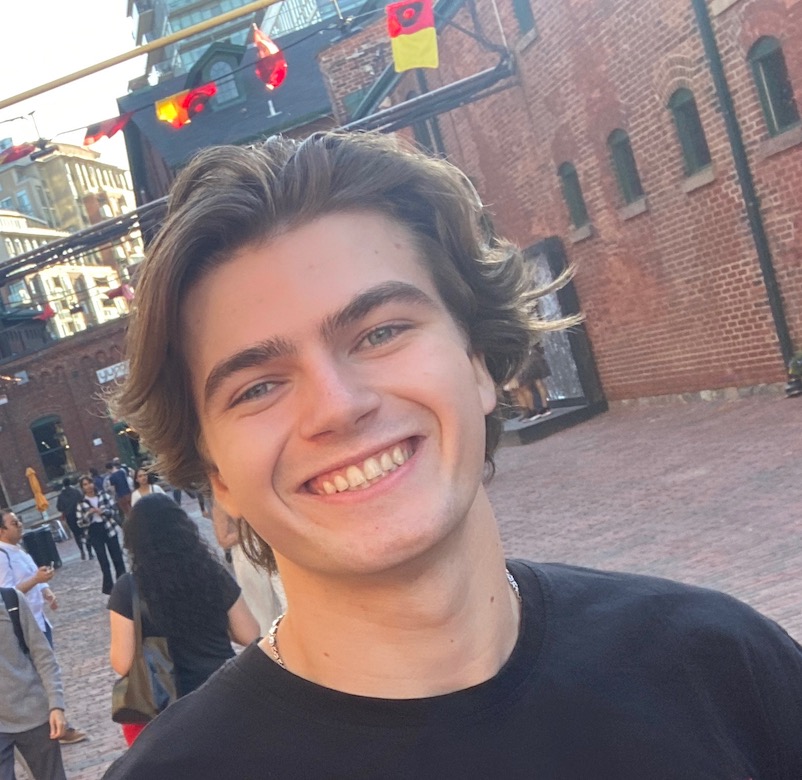
Jason
Clinical & Research Advisor
Domain expertise in concussion research through past projects in the space, alongside a strong entrepreneurial background in marketing and media ventures. Contributes protocol knowledge and institutional relationship development.
Where we stand
Actively pursuing structured academic partnerships to validate our metrics and build the credibility required for institutional adoption.
Team
Prototype modeled
Pilot designed
Clinical Validation
Market Entry
We're Not Planning. We're Moving.
Build, validate, deploy. In that order. Institutional proof first, then scale. Every milestone has a date, a target, and a reason it matters.
Active Development Phase
Active development phase with biometric algorithm refinement and hardware prototyping. Building the foundation for accurate, continuous concussion monitoring.
Institutional Research Partner
Secure institutional research partner for clinical validation and pilot testing. Establishing medical credibility and gathering real-world performance data.
OHL Pilot Launch
Launch pilot program with Ontario Hockey League, targeting 500+ athletes across multiple teams. Real-world deployment with high-impact athlete population.
Ethan · Ibby · Jason
See the invisible.
Move sooner.
Recover better.
The science, the technology, and the legislation have all arrived at the same moment.
Presidents Challenge 2026 · University of Western Ontario